About Us
ACH unites harbor managers, communities, and boaters under a common goal: to mitigate environmental impact and encourage sustainable practices within Alaska's coastal communities.
ACH provides free technical assistance, tools, and resources to help harbor staff protect Alaska's waters but relies on the dedication of harbor and municipal staff to achieve the shared goal of clean waterways.
Additionally, ACH provides guidance to boaters around the state on best practices for personal and commercial watercraft through online resources and engagement at various outreach events and boater-focused festivals.

Why Clean Harbors Matter in Alaska
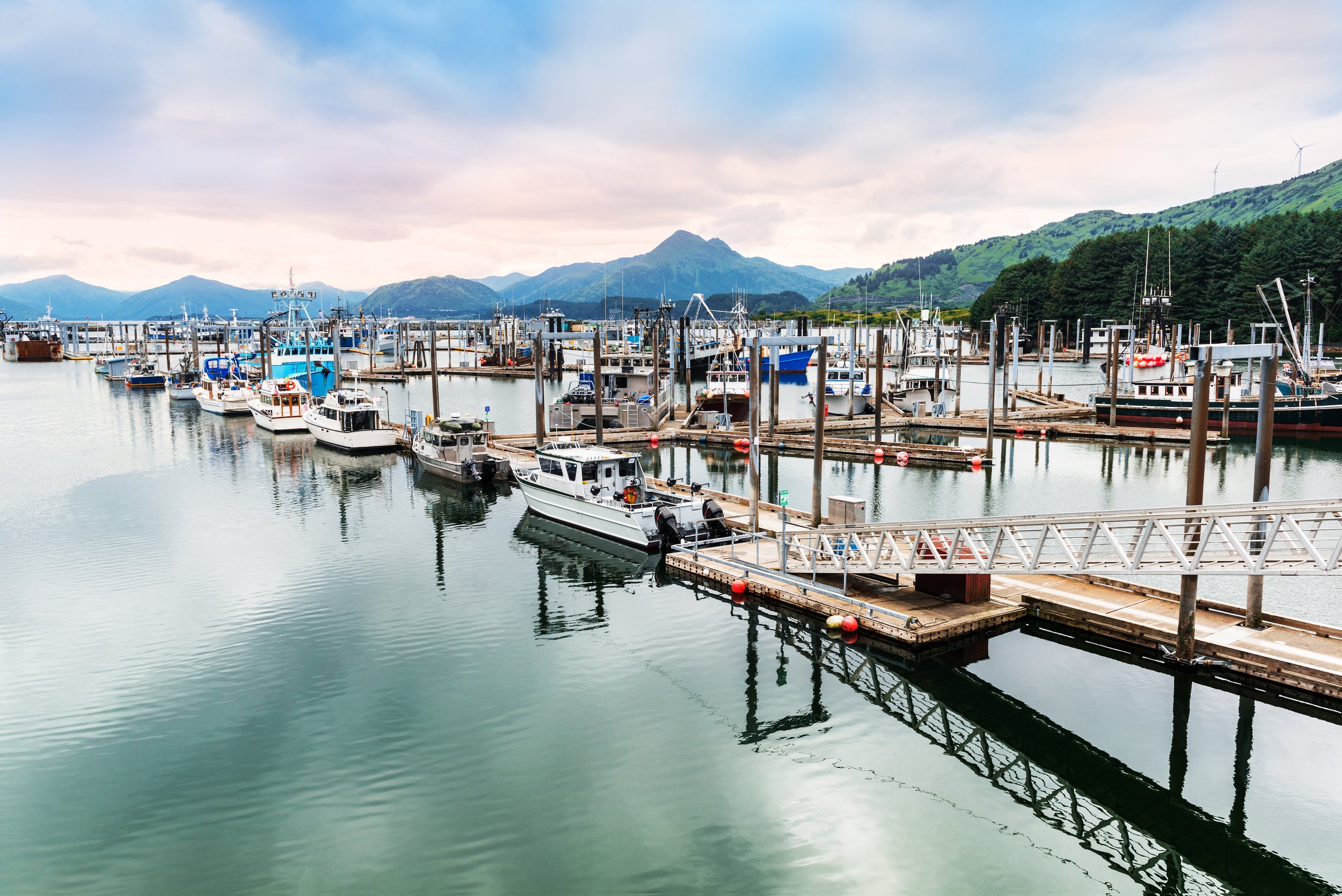
Alaska's public harbors are crucial economic and cultural hubs for coastal communities, serving both recreational boaters and a significant commercial fleet. These harbors, often the first point of contact for visitors, shape their initial impressions of Alaskan communities.
Despite their importance, many harbor basins are viewed as "industrial zones," with options for boat maintenance often restricted to tidal grids, beaches, or slips. Although local, state, and federal regulations aim to ensure environmental responsibility, oversight can be challenging for state and federal agencies. Furthermore, a range of unregulated activities in these harbors can contribute to pollution.
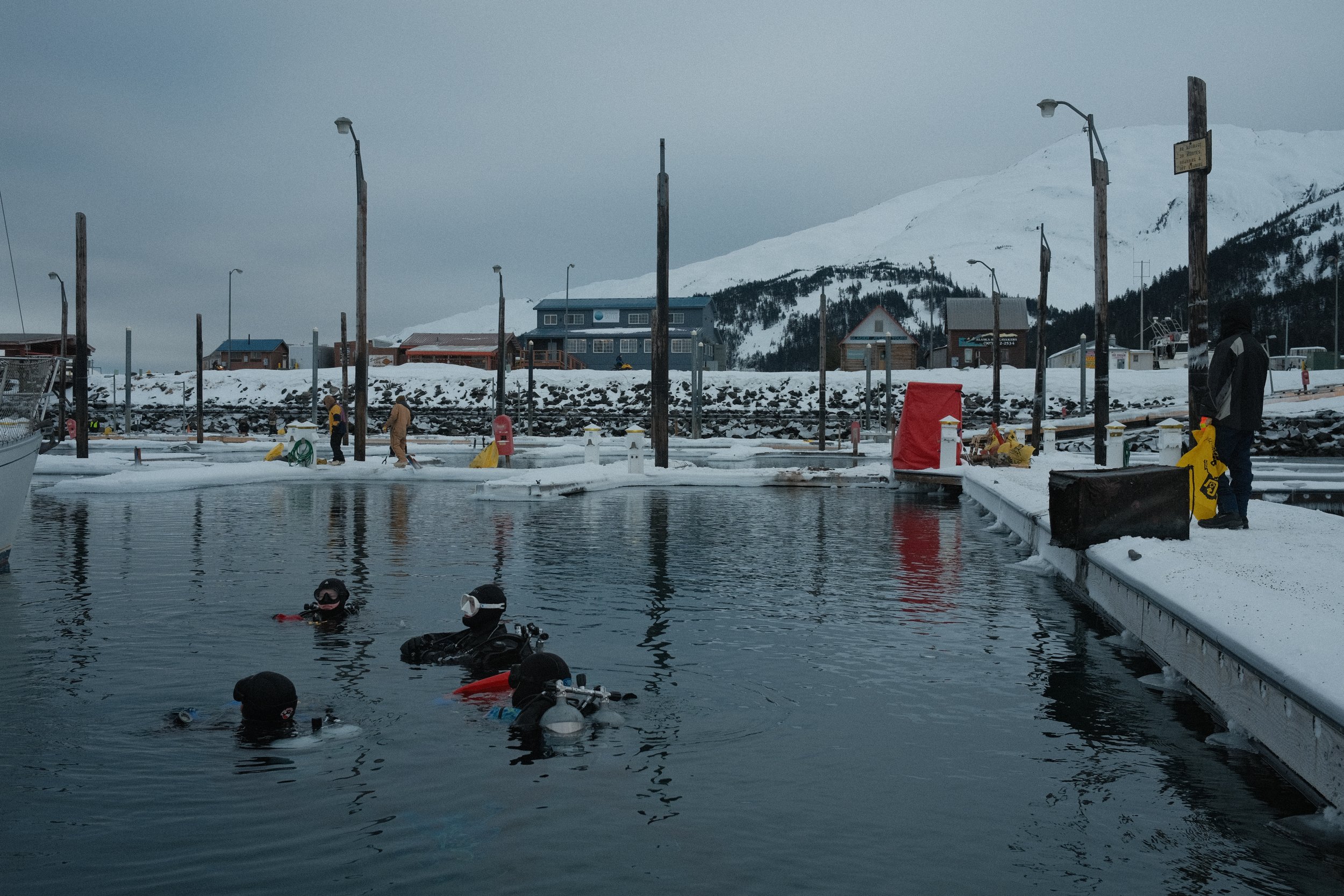
Healthy harbors matter because what happens on land and at the docks directly impacts the ocean. Small spills, marine debris, abandoned waste, and improper disposal can accumulate over time, harming marine ecosystems, wildlife, fisheries, and the communities that depend on them.
Pollution prevention is a necessary component of running a harbor, however it is one of many responsibilities managed by harbor staff every day. By providing free technical assistance, practical tools, and educational resources that encourage best management practices, we are supporting harbors and boaters in preventing pollution before it reaches the water.
At its core, the mission of Alaska Clean Harbors is to steward the places that connect Alaska to the sea — ensuring harbors remain clean, resilient, and welcoming for commercial fishermen, recreational boaters, visitors, and coastal communities alike.
View Certified Harbors →
Our History
-
In 2007, the Alaska Clean Harbors Workgroup was established with funding from the Alaska Department of Environmental Conservation (ADEC) and the Cook Inlet Regional Citizens’ Advisory Council (CIRCAC). The group developed a Clean Harbors Guidebook to aid harbor staff in reducing pollution. The Alaska Clean Harbors program emerged from this effort, incorporating best management practices outlined in the guidebook.
-
In 2009, ADEC provided a grant to Cook Inletkeeper to adapt the Clean Harbors Guidebook into a statewide program. We studied similar programs in the Lower 48 and consulted with stakeholders to tailor the program for Alaska. This included interviews with Clean Marina coordinators and visits to marina facilities in Seattle. Feedback from a Clean Harbors advisory committee, formed in fall 2009, helped refine the certification checklist and develop a program logo. The committee's input was crucial in shaping the program to address specific concerns of Alaskan facilities.
The concept of the Alaska Clean Harbors program was introduced at the Alaska Association of Harbormasters and Port Administrators (AAHPA) annual meeting in 2009. Feedback from this meeting, along with facility tours in Homer, Seldovia, Seward, Cordova, Juneau, and Sitka, guided the program's development. With comprehensive input and adjustments, the Alaska Clean Harbors program launched in 2010, with Homer Harbor being the first certified facility in the state.
In 2016, Marine Exchange took over the program before it was reinvigorated through a marine sewage outreach project supported by DEC and Alaska Sea Grant in 2021.
-
Today, Alaska Clean Harbors is managed by Alaska Sea Grant and proudly has eight certified harbors, with many more in progress. In 2024, we updated our best practices checklist to better serve both remote and large municipal harbors. We remain committed to evolving and improving our program to better meet your needs.
“A lot of our customers are looking to do the right thing environmentally, but do not know how to do it economically and effectively.”
— by Phil Benner, former Haines Harbormaster
Advisory Committee
Our Advisory Committee, composed of harbormasters, water quality experts, and engaged community members, plays a crucial role in overseeing the Alaska Clean Harbors program. Committee members regularly participate in teleconferences and aim to meet in person annually at the Alaska Association of Harbormasters & Port Administrators October meeting. We are always looking for new members to join our efforts, so please contact us if you’re interested in getting involved.
-

Maryann Fidel
ADEC Water Quality Monitoring and Assessment
-

Matt Creswell
CBJ Docks and Harbors
-

Mary Inovejas
ADEC Nonpoint Source Water Quality
-

Tav Ammu
Sea Grant MAP Agent, Dillingham
-

Daniel Miller
Port of Dillingham
-

Jeremy Norbryhn
CBJ Docks and Harbors
-
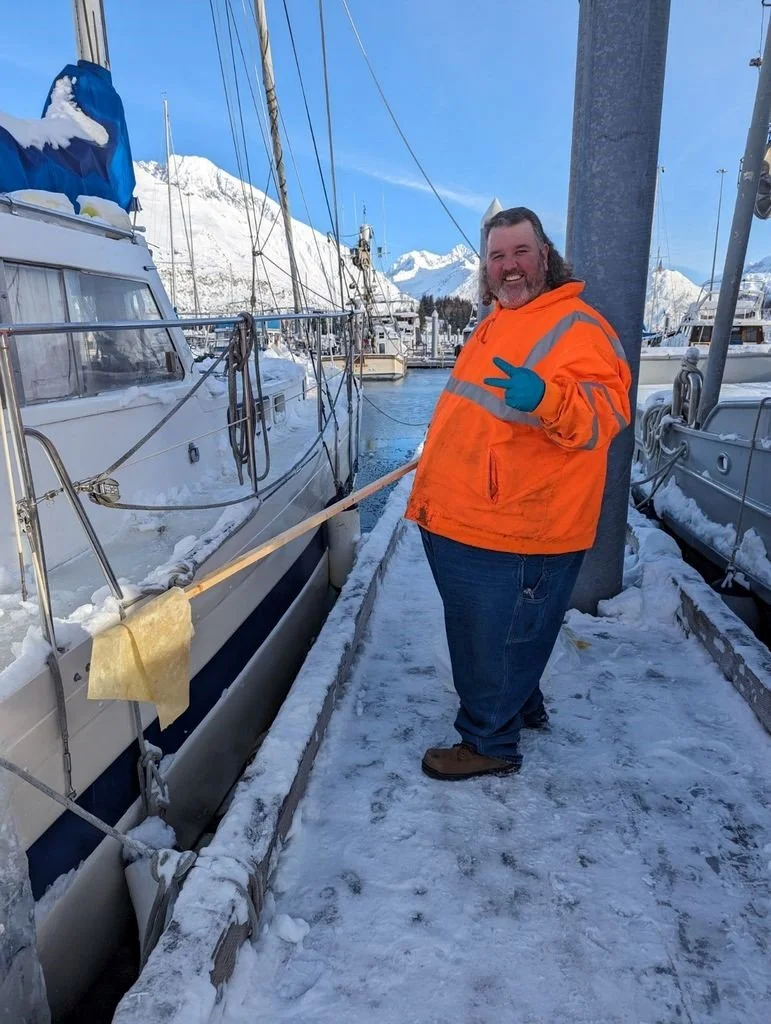
AJ Keeton
Port of Valdez
-

Dave Borg
Whittier Harbor
-

Jen Dillon
Marine Exchange