Solid Waste
A litter-free harbor is more attractive to everyone, is an enjoyable place to recreate and do business, and is less harmful to the marine environment. By being aware and pro-active about solid waste management at your facility, you can reduce your waste disposal costs and create a clean harbor that the entire community can be proud of. Once implemented, solid waste best management practices are effective ways to maintain a clean harbor for many years.
Trash & Dumpsters
Make sure dumpsters are labeled, covered, away from the water and in convenient locations for your customers and staff. Vinyl decals are inexpensive, easily-applied, and an easy to replace option for your dumpsters and trash cans. Alternatively you can post metal signs nearby.
Clearly marked dumpsters will help boaters be aware of what they can and cannot dispose of. It also helps harbor users know that you are paying attention and the harbor office cares how and where waste is disposed.

Recycling & Fishing Gear
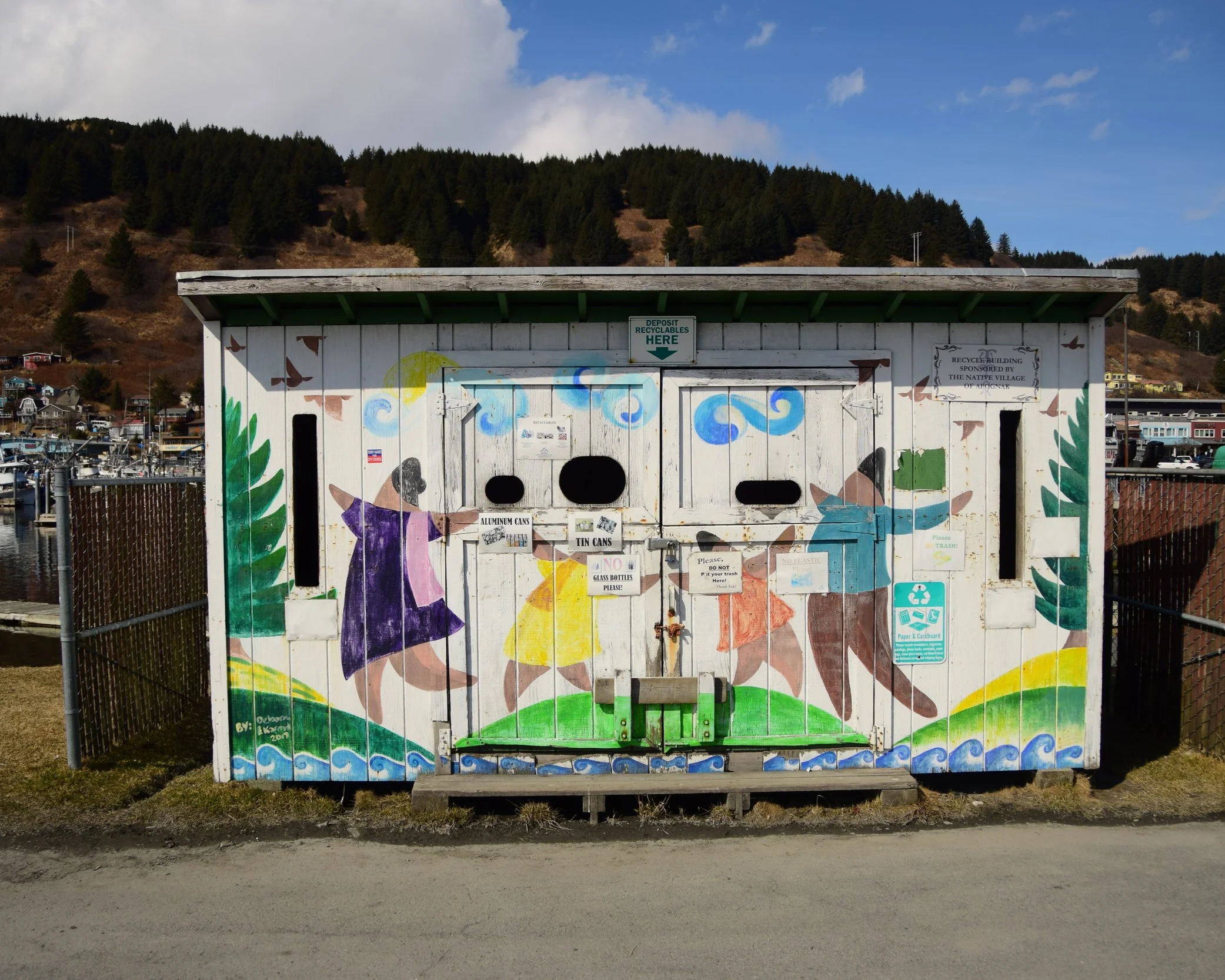
If your community has recycling options, use them! Encourage your customers to recycle through reminders in harbor mailings, signs on trash dumpsters, and maps that indicate where people can recycle when they’re at the harbor. Make sure all harbor employees know their options for recycling and that they recycle whenever possible. If you don’t have recycling available at the harbor, but it is available in the community, make sure you know where to send customers with their recyclables and what is accepted.
Cardboard may be one of your largest recyclable waste-streams. Think about the cost of emptying your dumpsters. The more recyclable material you divert (especially things like bulky cardboard), the more money you may save on waste disposal.
The Alaska Department of Environmental Conservation, Solid Waste Program has a webpage of recycling resources from around the state.
Know where your fishermen can recycle their gear. If your facility doesn't collect fishing net/line, post signs indicating where people can take it for recycling or responsible disposal.
Fishing Gear Recycling Resources
Recycling Fishing Nets in Alaska
(PDF resource page, Zender Group)
Monofilament recycling
(How-to, BoatUS Foundation)
(Net recycling nonprofit in Alaska)
Fish Waste
Too much fish waste in a poorly circulated harbor basin can lower oxygen levels in the water. Decomposing fish can lead to foul odors and fish kills. Floating fish parts are an unsightly addition to harbor waters and as many of you know, fish waste can encourage unwanted marine mammal interactions.
All harbor employees should know how your facility manages fish waste from your customers, from collection through disposal. Some things to consider include: where customers are creating fish waste, how it will be collected to minimize interactions with wild animals, and how the waste is disposed of.
State law requires that fish waste disposal not cause any impairment to water quality. Having a plan that protects your harbor and is communicated to all employees, your customers, and regulators is an important component of managing fish waste at your harbor.
Discharging fish waste within three nautical miles generally requires a permit from the Alaska Department of Environmental Conservation (ADEC). Find more about commercial fish processing waste regulations through the Alaska Dept. of Environmental Conservation’s Solid Waste Program.
You can contact the Dept of Environmental Conservation Wastewater discharge permit folks for more information on fish waste disposal at your facility.
Some fish waste management options include: grinding, collecting and disposing of offshore, or collecting and distributing to interested parties for composting. Different options may work better in your community than others. Ultimately, keeping fish waste OUT of the harbor basin should be a top priority for you and your customers.
Several harbors have devised gut barge systems. With these, customers can dispose of their fish waste into a floating barge which is then periodically towed out to sea for dumping by harbor staff. Contact Seward Harbor staff for more information on their gut barge system. Note that Haines did end up with a bear problem following the development of a gut barge, so keep in mind ALL of your large mammals - not just the marine ones!
The City of Homer operates a grinding facility. Fish waste is collected at fish cleaning tables in the uplands, and then ground finely and discharged via a pipe into Kachemak Bay, with a discharge permit through ADEC. Contact the Homer Harbor for more information on this system.
Like so many things, a system for disposing of fish waste is only useful if you customers know about it! Make sure that it is clear to everyone who is using your harbor how they are expected to manage and dispose of their wastes. This should include all harbor staff – make sure everyone is on the same page!
Alaska Based Solutions
Waste disposal costs have increased dramatically in recent years. This has created a challenging situation for communities across Alaska, especially those not connected to the road system. Tackling this issue will require creative problem solving and partnership building between municipal, private, non-profit, and tribal organizations. Below is a list of programs which are actively building capacity within Alaska to tackle solid waste challenges. Due to their reliance on the solid waste disposal options available in their communities, we encourage harbor staff to work with their city management to explore partnership opportunities and research solutions to waste.
-
Backhaul Alaska coordinates the removal of harmful waste from rural Alaska communities to Lower-48 destinations where it can be safely discarded or recycled. This helps keep harmful waste out of landfills and provides solution for rural communities struggling with waste management.
-
The Department of Environment Conservation’s Solid Waste Program provides resources, training, and education for waste management.
A list of possible funding opportunities is available here.
-
The Solid Waste Alaska Taskforce (SWAT) is a multi-institution taskforce that collaboratively tackles rural Alaska solid waste challenges. This statewide initiative creates partnership opportunities for communities and provides technical resources for improving waste management
-
The Southeast Alaska Solid Waste Authority (SEASWA) is a public agency formed by member communities in southeast Alaska to stabilize or reduce the cost of solid waste disposal in the region. The intent of SEASWA is to reduce or stabilize cost through a combination of a long term disposal contract and increased diversion through recycling.
Current member communities are Wrangell, Petersburg, Thorne Bay, Craig, Klawock, Kasaan, and Coffman Cove.
SEASWA is currently funding a region wide study investigating waste disposal costs and potential solutions in Southeast with results expected to be available to the public in 2027.